
What Happens After Land Clearing? Understanding the Next Critical Steps Before Construction Begins
January 3, 2026 6:45 pm Leave your thoughtsLand clearing marks a major milestone in any construction project. It represents the transformation of raw, natural land into a site prepared for future development. However, many property owners and even contractors often overlook what happens after land clearing. Once trees, brush, and debris are removed, and the area appears clean and open, the journey toward actual construction is just beginning. The post-clearing phase is filled with essential steps that shape the foundation of the project, both literally and strategically.
In Indiana, where weather conditions, soil composition, and zoning regulations vary widely, understanding the next steps after site clearing is crucial. These phases not only ensure the safety and stability of the structure to come, but also help avoid delays, legal issues, and cost overruns. Let’s take a closer look at what needs to happen between land clearing and construction, breaking down the excavation process after land clearing and the preparatory work that follows.
Site Surveying and Soil Testing
Once a site has been cleared, it is ready to undergo a detailed survey. Surveying helps determine the exact boundaries of the property and confirms where structures can legally and safely be built. Licensed land surveyors use tools such as GPS and total stations to map the site accurately, including elevations and contours that may affect the building layout. In Indiana, it’s especially important to account for slopes and drainage patterns due to the state’s diverse topography.
Another critical component during this phase is soil testing. Clearing the land exposes the soil, but before excavation begins, geotechnical engineers must analyze it to assess its stability. They test for composition, moisture content, compaction, and bearing capacity. This analysis informs decisions about the type of foundation needed and identifies potential challenges like expansive clay, loose sand, or poor drainage. If the soil cannot adequately support the planned structure, modifications such as soil replacement or reinforcement will be recommended.
This stage is crucial not only for engineering purposes but also for compliance with local building codes. Most municipalities in Indiana require formal reports from these surveys before granting construction permits.
Excavation and Grading
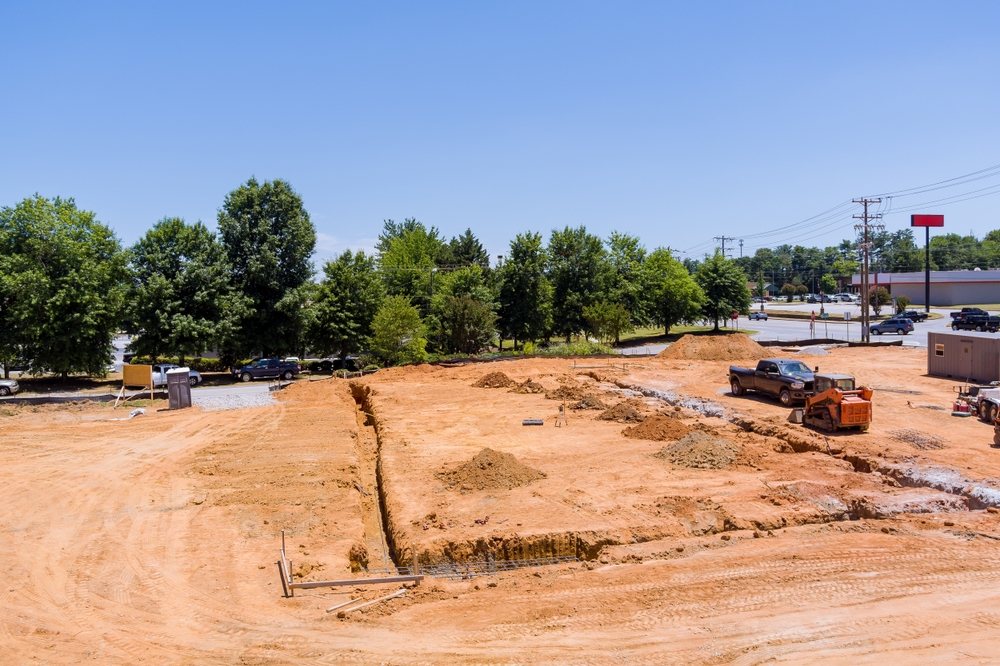
The excavation process after land clearing is perhaps the most visible and intensive part of site preparation. This phase involves removing topsoil, digging trenches, and reshaping the terrain to match the architectural plans. The purpose of excavation is to prepare the ground for laying the foundation, which may be a slab, crawl space, or full basement depending on the structure.
In Indiana, where freeze-thaw cycles and frost depths can significantly affect construction, excavation must be performed to a depth that ensures structural stability. Contractors use heavy machinery such as bulldozers, backhoes, and trenchers to perform this work with precision. They also install temporary erosion control systems to prevent soil from washing away during rainfall.
Grading follows excavation and involves leveling the ground or shaping it to promote proper drainage. Grading ensures that water flows away from the building rather than pooling near the foundation, which can lead to long-term damage. In some cases, retaining walls may be installed to manage elevation changes or prevent soil movement.
This stage may also include installing underground utilities such as water lines, electrical conduits, and sewer systems. These need to be carefully mapped and coordinated with the overall site plan to avoid conflicts during later phases of construction.
Utility Connections and Infrastructure Planning
After excavation and grading, the next steps after site clearing in Indiana often involve setting up the essential infrastructure that supports a modern building. This includes both temporary and permanent utility connections.
Temporary utilities such as water and electricity are typically needed during construction. Contractors will arrange for these services to be brought to the site, sometimes requiring coordination with local municipalities or utility providers. At the same time, permanent systems such as septic tanks, sewer hookups, and gas lines are laid out and installed.
Planning for infrastructure at this stage is more than just connecting wires and pipes. It requires a strategic understanding of the building’s layout, future expansions, and how these systems will interact with both internal and external structures. For example, driveways, sidewalks, and parking lots may require conduits to be laid beneath them in advance.
Another consideration is stormwater management. Indiana building codes often require on-site systems to control runoff, especially in areas prone to flooding. This may involve installing catch basins, swales, or underground detention systems. Addressing these elements early ensures smoother progress when construction begins and prevents costly revisions later.
Permitting and Final Site Inspections
Even if a site looks ready for construction, it cannot proceed legally without the appropriate permits and approvals. This is a step that often overlaps with other processes but becomes especially important after the foundational work is completed.
In Indiana, the permitting process varies by county but generally includes zoning compliance, environmental impact assessments, and construction permits. Documentation from land surveys, soil tests, and utility plans must be submitted for review. Officials will examine these documents to ensure that the site meets safety and environmental standards.
Before issuing a building permit, inspectors may visit the site to confirm that it has been cleared, graded, and prepared according to regulations. They may check for proper erosion controls, verify the location of property lines, and ensure that utilities are correctly installed and marked.
This inspection phase is often the last checkpoint before construction officially begins. Failing to meet any requirement can result in delays, fines, or mandated corrective actions. For that reason, working with professionals who understand local laws and have experience navigating Indiana’s regulatory environment is a major advantage.
Pre-Construction Planning and Mobilization
With the groundwork completed and all approvals in place, the site enters the pre-construction phase. This step includes mobilizing the construction crew, delivering materials, and setting up temporary facilities such as office trailers or storage units.
Pre-construction planning involves finalizing schedules, confirming vendor contracts, and aligning the build with projected timelines. The construction team conducts a kickoff meeting to review the plans, safety protocols, and site logistics. This is the point where everything that was done in the earlier stages comes together, and the project transitions from preparation to action.
Contractors often perform a final walkthrough of the site to verify that all utilities are functional, the land is stable, and the layout is accurate. They also prepare contingency plans for potential weather delays, supply chain issues, or other unforeseen obstacles that could impact the timeline.
In Indiana, where the seasons can vary drastically, the timing of this mobilization can affect construction quality and progress. Starting too late in the year might expose the site to freeze conditions, while summer months may require adjustments for heat and humidity.
Conclusion
Understanding what happens after land clearing is essential for anyone involved in property development. It is a complex process that includes surveying, soil testing, excavation, utility planning, permitting, and pre-construction coordination. Each of these steps ensures that the cleared site can support a safe, stable, and compliant structure.
The next steps after site clearing in Indiana are shaped by unique local conditions. From the excavation process after land clearing to final approvals and crew mobilization, each phase builds on the one before it. Skipping or rushing through these steps can compromise the entire project and result in delays, structural problems, or regulatory penalties.
By following a well-structured path after land clearing, property owners and builders set the stage for a smoother, more predictable construction experience. With proper planning, expertise, and attention to detail, what begins as a cleared piece of land can be transformed into a successful and lasting development.
Need Excavating Contractors Near You?
Since we were established in 1974, Estes Excavating Inc. has been a premier provider of commercial excavating and demolition services in the Jeffersonville, Indiana area. We are a family owned and operated business with over 40 years of experience! Our friendly and professional staff strive to bring you quality service and reasonable prices with everything we do. At Estes Excavating Inc., we provide a variety of services including excavation, demolition, land clearing, environmental clean-up, storage tank removal, new construction preparation, and fire system installation. We even have top soil and dirt available for purchase! So call us now or stop in today to speak to a member of our staff. We look forward to hearing from you!
Categorised in: Land Clearing
This post was written by admin