
Brownfield vs. Greenfield Development: How Site Preparation Differs for Southern Indiana Commercial Projects
August 8, 2026 8:01 pm Leave your thoughtsCommercial development across Southern Indiana continues to reshape communities as new businesses expand and older properties find new life. Whether a project involves transforming a vacant industrial site or preparing untouched land for construction, proper site preparation lays the foundation for long-term success. Understanding the differences between brownfield and greenfield development helps property owners, developers, and investors make informed decisions before construction begins.
Quick Answer
Brownfield and greenfield developments require different site preparation strategies because each property presents unique challenges. Brownfield sites often require environmental evaluation, demolition, and remediation before excavation can begin. Greenfield sites typically focus on clearing vegetation, grading, drainage planning, and utility installation. In Southern Indiana, soil conditions, local permitting requirements, and site history all influence the excavation process.
What Local Readers Should Know
-
Brownfield properties often require environmental assessments before excavation begins.
-
Greenfield sites generally require more land clearing and grading but may have fewer environmental concerns.
-
Commercial projects in Jefferson, Clark County, and surrounding Southern Indiana communities must account for drainage, utility access, and local permitting requirements.
-
Site preparation directly affects project timelines, construction costs, and long-term building performance.
-
Early coordination between developers, engineers, and excavation contractors helps reduce delays during construction.
Why This Matters Locally
Brownfield and greenfield development are both common throughout Southern Indiana. Older manufacturing properties, former commercial facilities, and underutilized industrial parcels can often be redeveloped into productive commercial spaces. At the same time, growing communities continue expanding onto previously undeveloped land.
Properties throughout Clark County, Floyd County, Jeffersonville, Charlestown, Sellersburg, and New Albany experience varying soil conditions, elevation changes, and drainage concerns that influence excavation planning. The Ohio River watershed, seasonal rainfall, and rolling terrain also play an important role in how commercial sites are prepared.
At Estes Excavating Inc., we understand that no two commercial sites are alike. We tailor our excavation approach to match each property’s history, conditions, and construction goals.
Local Data and Field Observations
Professional field observations throughout Southern Indiana show that commercial projects frequently encounter varying subsurface conditions depending on previous land use. Former industrial properties may contain old foundations, buried utilities, underground storage tanks, or fill material that requires careful investigation before excavation.
Previously undeveloped parcels often present different challenges, including tree removal, uneven grades, drainage improvements, and soil stabilization before construction can proceed.
Brownfield Development Requires More Investigation Before Excavation
Brownfield development requires additional investigation because previous site activity may have affected existing conditions below the surface.
Typical site preparation may include:
-
Reviewing historical property records
-
Environmental site assessments
-
Demolition of existing structures
-
Removal of old pavement and foundations
-
Utility identification and abandonment
-
Soil testing
-
Excavation of unsuitable materials
-
Importing engineered fill when necessary
Every brownfield project is unique, making early planning especially important.
Greenfield Development Focuses on Building From the Ground Up
Greenfield development begins with undeveloped land that has not previously supported commercial construction. While environmental remediation is often less extensive, substantial earthwork is usually required.
Site preparation commonly includes:
-
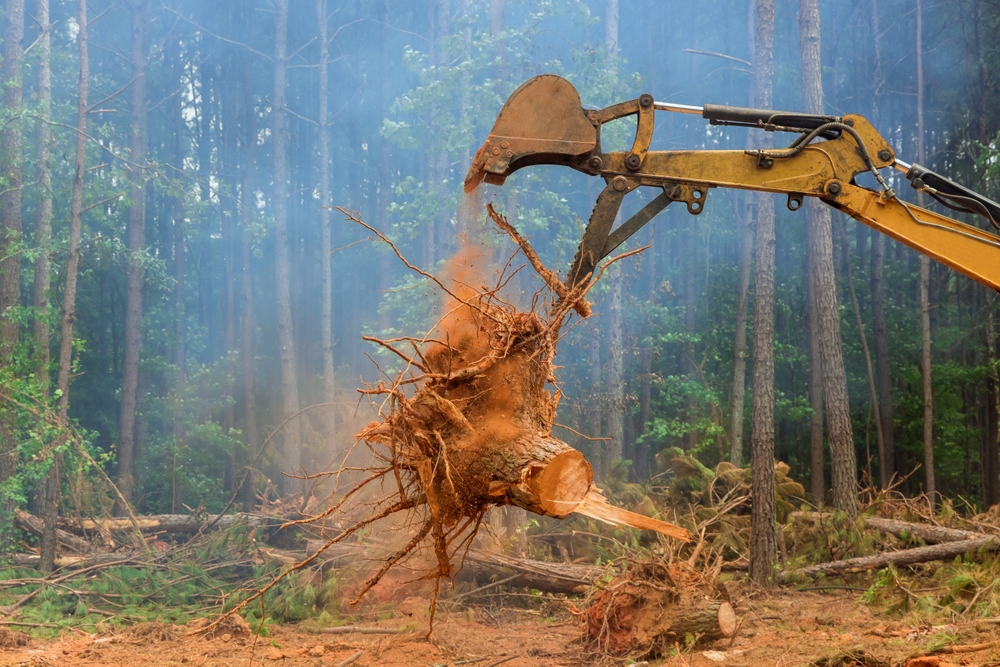
Land clearing
-
Tree and stump removal
-
Rough grading
-
Stormwater planning
-
Erosion control installation
-
Utility trenching
-
Building pad construction
-
Final grading for pavement and landscaping
Proper grading is particularly important across Southern Indiana because rainfall can quickly expose drainage problems if slopes are not carefully engineered.
Local Impact
Site preparation affects far more than the first phase of construction. Decisions made during excavation influence drainage performance, pavement longevity, building stability, utility reliability, and future maintenance costs.
Commercial property owners throughout Jefferson and neighboring communities benefit when site preparation addresses long-term performance instead of simply preparing the land quickly.
Warning Signs That Additional Site Preparation May Be Needed
Several conditions may indicate a commercial property requires more extensive preparation before construction begins.
-
Existing cracked or deteriorated pavement
-
Standing water after rainfall
-
Visible fill material from previous development
-
Evidence of demolished structures
-
Uneven ground settlement
-
Unknown underground utilities
-
Large amounts of rock or unsuitable soils
-
Significant changes in site elevation
Identifying these conditions early can help avoid unexpected delays during construction.
When to Call a Professional
Commercial developers should involve an experienced excavation contractor during the planning phase whenever possible. While preliminary site visits can identify obvious conditions, professional excavation teams work closely with engineers, surveyors, and project managers to evaluate grading requirements, drainage plans, utility coordination, and earthwork sequencing.
Early involvement often reduces costly changes later in the project.
Common Local Factors That Influence Site Preparation
Several regional conditions affect commercial excavation projects throughout Southern Indiana.
Previous Industrial Development
Older commercial corridors may contain remnants of previous buildings, utilities, or infrastructure requiring removal.
Rolling Terrain
Many commercial sites require significant grading to establish proper building elevations and stormwater drainage.
Variable Soil Conditions
Different soil types across Clark and Floyd Counties may require stabilization or engineered fill before construction.
Seasonal Rainfall
Heavy rains can delay earthmoving operations and increase erosion concerns if proper controls are not installed early.
Prevention and Planning Tips
Successful commercial projects begin with careful planning before excavation equipment arrives.
Developers should:
-
Complete site investigations early.
-
Coordinate utility locations before excavation.
-
Develop erosion control plans before grading.
-
Schedule earthwork during favorable weather when possible.
-
Allow time for unexpected underground conditions.
-
Maintain communication among engineers, contractors, and project owners throughout construction.
Expected Results From Proper Site Preparation
Well-executed site preparation creates a stable foundation for every phase of commercial construction. Property owners can expect improved drainage, more predictable construction schedules, reduced risk of settlement, and better long-term pavement and building performance when excavation work is completed correctly.
Each site’s results depend on existing conditions, engineering requirements, and project goals.
Common Mistakes
Starting Construction Before Completing Site Investigation
Skipping environmental or subsurface evaluations can lead to expensive surprises during excavation.
Underestimating Drainage Needs
Ignoring stormwater management may create long-term flooding and maintenance issues after construction.
Choosing the Lowest Bid Without Considering Experience
Commercial excavation involves coordination, planning, and technical knowledge that extend beyond moving dirt.
Common Local Scenario
A developer purchases an older commercial parcel in Southern Indiana intending to construct a new retail building. During early excavation, crews discover buried concrete foundations and abandoned utility lines from previous development. Because these conditions were anticipated during planning, the project team adjusts the excavation schedule and continues with minimal disruption.
Situations like this demonstrate why understanding site history is so valuable before construction begins.
Related Service Solutions
Commercial site preparation often includes multiple excavation services working together, including:
-
Land clearing
-
Mass grading
-
Building pad preparation
-
Utility excavation
-
Drainage improvements
-
Demolition support
-
Soil stabilization
-
Excavation for foundations
-
Final grading
Each service contributes to creating a construction-ready site that supports long-term performance.
Comparing Your Options
| Brownfield Development | Greenfield Development |
|---|---|
| Often includes existing structures | Typically undeveloped land |
| May require environmental review | Usually emphasizes land clearing |
| Frequently involves demolition | Focuses on grading and infrastructure |
| Higher uncertainty below grade | More predictable site conditions |
| Redevelops existing commercial areas | Expands into new development areas |
Neither option is universally better. The right choice depends on project goals, location, available infrastructure, and redevelopment opportunities.
Service Areas
We proudly serve commercial clients throughout Jefferson, Jeffersonville, New Albany, Sellersburg, Charlestown, Clark County, Floyd County, and surrounding Southern Indiana communities.
Cost of Ignoring Proper Site Preparation
Delaying or minimizing site preparation can increase construction costs through drainage problems, foundation settlement, utility conflicts, project delays, and future maintenance issues. Investing in thorough excavation planning helps reduce these risks before vertical construction begins.
Frequently Asked Questions
What is the difference between brownfield and greenfield development?
Brownfield development reuses previously developed property, while greenfield development starts on undeveloped land. The excavation approach differs because existing site conditions are often much more complex on brownfield properties.
Do commercial projects in Jefferson require environmental reviews?
Some commercial properties in Jefferson may require environmental evaluations depending on previous land use. Older industrial or commercial sites often undergo additional investigation before excavation begins.
Which type of project costs more to prepare?
Brownfield projects often involve additional investigation, demolition, or remediation costs. Greenfield projects may require more clearing and grading. Actual costs depend on site-specific conditions.
Why is grading important in Southern Indiana?
Proper grading helps manage rainfall, protect foundations, and improve drainage throughout Southern Indiana’s rolling terrain. Effective grading also supports pavement performance and reduces erosion.
Can existing utilities affect excavation?
Yes. Existing underground utilities frequently influence excavation planning. Locating and coordinating utilities before construction helps improve safety and reduce delays.
Why should developers involve excavation contractors early?
Early coordination allows excavation professionals to identify site challenges, review grading plans, and help develop efficient construction sequencing before work begins.
Closing
Every commercial property presents unique opportunities and challenges. Whether redeveloping an existing commercial site or preparing undeveloped land for new construction, understanding the differences between brownfield and greenfield development helps projects begin on solid ground. Careful planning, experienced excavation, and local knowledge all contribute to successful commercial development throughout Southern Indiana.
Build Your Commercial Project on a Strong Foundation
From site clearing to final grading, we’re ready to help prepare your Southern Indiana commercial property for long-term success.
Categorised in: Site Excavation
This post was written by admin